Dim Sum, Karaoke, and Dancing Queen: The Unlikely Venues Where Asian America's ABBA Obsession Lives Loudest
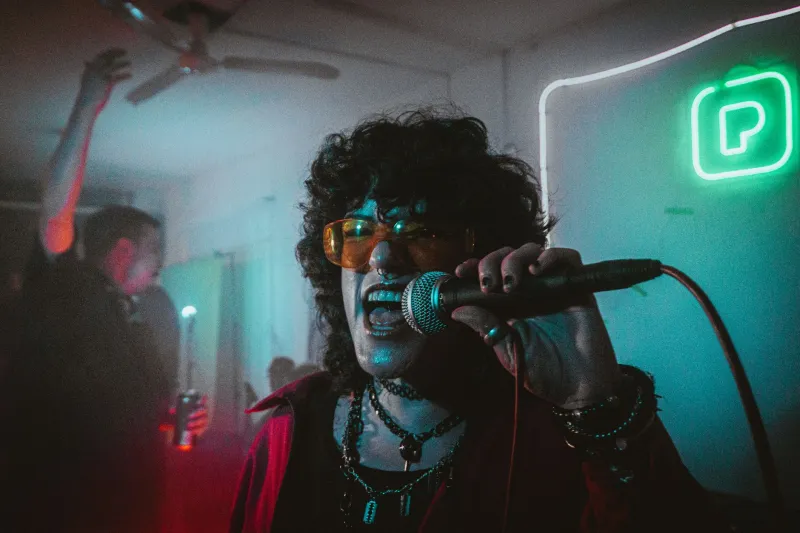
Walk into a karaoke lounge on a Friday night in Flushing, New York, and there's a decent chance you'll hear "The Winner Takes It All" echoing down the hallway before you even reach your private room. Step into a dim sum parlor in the San Gabriel Valley on a Sunday morning and you might catch a table of aunties humming "Fernando" between bites of har gow. These aren't accidents. They're the product of decades of quiet, organic fandom—a kind of ABBA devotion that doesn't make the music press but runs deep in the bones of Asian-American communities across the country.
At Asia ABBA Fan Hub, we've spent a lot of time talking about how ABBA's music traveled across oceans and generations. But we haven't always talked enough about where that love actually lives on a Tuesday night in suburban America. Turns out, the answer is often a karaoke bar with neon lighting and a laminated songbook, or a noisy restaurant where the background playlist is doing more cultural work than anyone at the table is willing to admit.
The Karaoke Connection
Karaoke culture and ABBA are, when you think about it, a perfect match. Both are built around participation, emotional release, and a certain glorious lack of self-consciousness. ABBA's catalog—big melodies, clear narratives, vocals you can actually follow—is practically engineered for karaoke performance. And in Asian-American communities, karaoke isn't just entertainment. It's a social ritual with real emotional stakes.
"ABBA songs are always in the top ten requests here, without fail," says Jenny Lim, who co-owns a karaoke lounge in Los Angeles's Koreatown with her husband. "We've had the same regulars coming in for fifteen years, and they always go back to ABBA. It's like comfort food for them."
Lim's observation points to something meaningful. In a karaoke context, song choice is personal. You don't pick a song you're indifferent to—you pick something that means something to you. And for a huge swath of Asian-American regulars at venues like hers, ABBA songs carry the kind of emotional weight that gets reserved for the last song of the night, the one you save when you really want to feel something.
Part of what makes karaoke lounges—particularly the private-room format common in Korean, Chinese, and Japanese-run venues—so hospitable to ABBA fandom is the architecture of intimacy they provide. You're not performing for strangers. You're performing for your people. The pressure drops, the inhibitions follow, and suddenly a fifty-year-old accountant is absolutely destroying "Gimme! Gimme! Gimme!" while his kids film it on their phones.
Why Asian Hospitality Spaces Feel Different
It's worth asking why these venues, specifically, have become such fertile ground for this kind of fandom. Part of the answer is practical: Asian-owned karaoke bars and restaurants tend to stock broader, more international song catalogs than their Western-run counterparts, reflecting the diverse musical tastes of their clientele. ABBA has never gone out of rotation in these spaces the way it briefly did in mainstream American pop culture during the post-disco backlash years.
But there's a cultural dimension too. Asian hospitality spaces—whether we're talking about a Korean BBQ joint, a Vietnamese family restaurant, or a Taiwanese-run karaoke lounge—tend to operate with a different social philosophy than Western entertainment venues. The emphasis is on communal experience, on lingering, on the group rather than the individual. That ethos maps surprisingly well onto what ABBA fandom actually looks like in practice: it's something people tend to do together, across generations, with food involved.
"My parents introduced me to ABBA at this restaurant," says Marcus Chen, a regular at a dim sum spot in San Francisco's Richmond District that has played ABBA on its weekend rotation for as long as he can remember. "It wasn't a concert or a record store. It was just... here, at this table, eating with family. So when I come back now, the music and the place and the people are all mixed together in my head."
That kind of place-based memory is powerful. It means ABBA isn't just a band for Chen—it's a sensory experience tied to a specific room, a specific smell, a specific feeling of belonging.
The Owners Who Keep the Flame
The people running these spaces deserve more credit than they usually get as stewards of ABBA's legacy in America. Many of them aren't making deliberate cultural statements when they put "Dancing Queen" on the playlist—they're just playing what their customers love, what their own families grew up hearing, what feels right for the room. But the cumulative effect of those choices, made across hundreds of venues in dozens of cities, is something genuinely significant.
Hoa Nguyen, who runs a Vietnamese restaurant in Houston's Midtown neighborhood, started playing ABBA during weekend dinner service about eight years ago after noticing that a particular table of regulars—a multigenerational Vietnamese-American family—always seemed to perk up when ABBA came through the speakers. "I started paying attention to what made people happy in here," she says. "ABBA kept coming up. Now it's part of what we are."
Nguyen's restaurant has developed a loose reputation among local Vietnamese-American families as a place where the music matches the mood—warm, a little nostalgic, built for conversation and connection. She didn't set out to create an ABBA sanctuary. It just happened, organically, because she was paying attention to her community.
Sub-Communities That Don't Make the Headlines
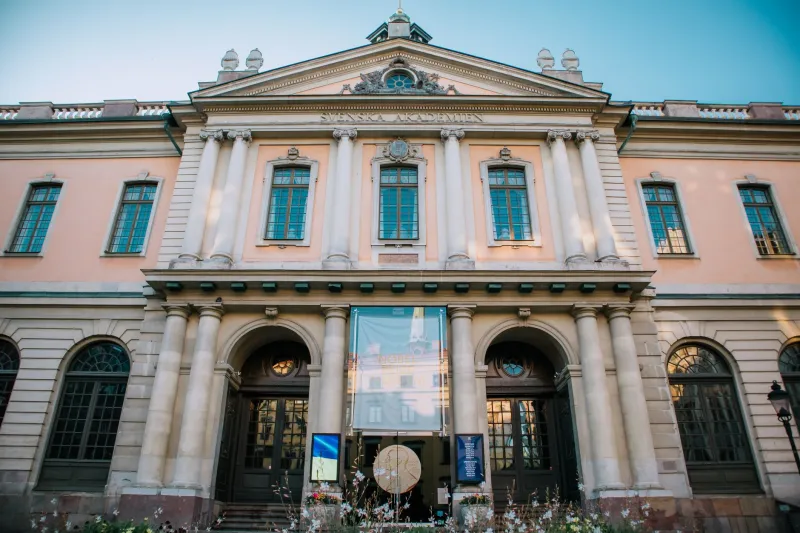
What's striking about all of this is how little mainstream recognition these spaces and the communities around them receive in broader conversations about ABBA's cultural footprint. The media narrative tends to focus on the ABBA Museum in Stockholm, on Mamma Mia! singalongs at movie theaters, on the band's Voyage comeback. The quieter, more intimate story—of families gathering in a dim sum hall in Alhambra, of friend groups piling into a karaoke room in Chicago's Chinatown, of restaurant owners in Houston curating playlists that feel like home—gets left out.
That's a gap worth closing. These sub-communities are doing something real and lasting. They're keeping ABBA alive not through nostalgia projects or anniversary tours, but through the simple, repeated act of showing up in a room together and letting the music do its thing.
For Asian-American ABBA fans, the venue has always mattered as much as the music. The karaoke lounge, the dim sum parlor, the family restaurant with the good playlist—these aren't just backdrops. They're part of the story. They're where fandom gets passed down, where it gets shared, where it becomes something bigger than any one person's private affection for a Swedish pop group.
And honestly? There are worse places to fall in love with "Waterloo" than over a plate of turnip cake at a table full of people who already know every word.