Something Old, Something Björn: How ABBA Crashed the Asian-American Wedding and Never Left
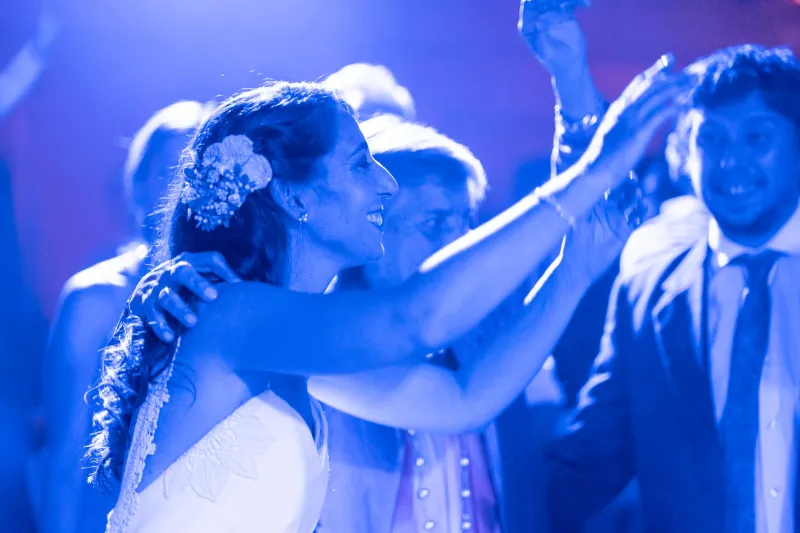
Picture this: a banquet hall in the San Gabriel Valley, red lanterns strung across the ceiling, a twelve-course Cantonese dinner on the way — and then, cutting through the chatter of three generations of relatives, the opening piano notes of Dancing Queen float out of the speakers. Aunties stop mid-conversation. Grandparents look up. And the couple on the dance floor? They're absolutely glowing.
This isn't a one-off quirky reception story. Across the US, from Houston's sprawling Vietnamese-American communities to the Desi wedding circuit in New Jersey, ABBA has become a quietly revolutionary presence at Asian-American celebrations. Wedding planners are fielding requests for it more than ever, and the couples asking aren't doing it ironically. They mean every single word of I Do, I Do, I Do, I Do, I Do.
Why ABBA? Why Now?
There's a generational logic to this that makes total sense once you sit with it. Many Asian-American millennials and older Gen Zers grew up in homes where ABBA was already playing. Their parents — first-generation immigrants who arrived in the US during the late '70s through the '90s — often latched onto ABBA's music as one of their first real entry points into Western pop culture. The melodies were accessible, the lyrics were clear enough to learn, and the production was just plain joyful.
So when those kids grew up and started planning their own weddings, ABBA wasn't some random retro pick. It was a thread connecting them back to something real: a memory of their mom singing along to the radio, or their dad's cassette tape worn thin from overplay.
"A lot of my clients describe it as a bridge song," says one Los Angeles-based wedding planner who specializes in multicultural South Asian and East Asian ceremonies. "It works for the couple's college friends who know every word, and it works for the grandparents who somehow also know every word. That's a rare thing in wedding music."
The First Dance Conversation Is Changing
For decades, the Asian-American wedding first dance leaned heavily on a narrow playlist: sweeping Mandopop ballads, classic R&B slow jams, or the inevitable Celine Dion moment. Those choices aren't going anywhere — but they're sharing real estate now.
Cultural wedding consultants working with Chinese-American, Korean-American, Filipino-American, and South Asian-American families say they're noticing a shift in how couples approach the music conversation altogether. It's less about choosing something "appropriate" and more about choosing something true.
"Couples are coming in with a lot more confidence about mixing things up," explains a New York-based consultant who works primarily with Filipino and Taiwanese-American families. "They're not apologizing for liking ABBA. They're building their whole reception flow around it."
For Filipino-American couples especially, this tracks. The Philippines has one of the most passionate ABBA fan bases in all of Asia — a fact that's well-documented in fan communities and music history alike. When Filipino-American families in the US gather for a wedding, ABBA songs can carry the weight of both immigrant nostalgia and homeland pride simultaneously. That's a lot of emotional horsepower packed into a four-minute pop song.
Real Couples, Real Moments
Take the story of one Korean-American couple who got married in Chicago last spring. They spent months wrestling with the first dance question — her family wanted something traditional, his wanted something "fun." The compromise? A choreographed routine to Voulez-Vous that opened with a nod to a traditional Korean paebaek bow before launching into full disco mode. The crowd, reportedly, lost their minds in the best possible way.
Or consider a Vietnamese-American bride in Houston who walked into her reception not to a ballad but to The Winner Takes It All — a song she said reminded her of her mother's resilience as a refugee who rebuilt her life in the US. "It's not a happy song on paper," she told her planner. "But to me it's the most triumphant thing I've ever heard."
These aren't fringe anecdotes. They're part of a broader pattern that wedding vendors across the country are starting to notice and talk about openly.
What the Planners Are Saying
Wedding professionals working in multicultural markets are adjusting their recommendations accordingly. Several planners interviewed for this piece said they now proactively bring up ABBA when working with Asian-American clients, particularly when families span multiple generations and cultural backgrounds.
The practical appeal is real: ABBA's catalog is long enough and varied enough to score an entire evening. Fernando works beautifully for a parent dance. Chiquitita has been used during cake-cutting moments more than once. Gimme! Gimme! Gimme! is practically made for the post-dinner dance floor. And Thank You for the Music — well, that one's been making people cry at send-offs for years.
"The versatility is underrated," one planner put it simply. "You can use ABBA to set almost any emotional tone in a room."
More Than a Playlist Choice
What's happening at these weddings is bigger than music selection, though. It's a statement about identity — specifically, about the kind of Asian-American identity that doesn't feel the need to choose between honoring cultural heritage and embracing the full, complicated, joyful mess of growing up between worlds.
Choosing ABBA for your first dance isn't a rejection of tradition. For a lot of these couples, it is the tradition — their tradition, the one their families built in America, with a Swedish pop group playing in the background the whole time.
And honestly? There's something deeply poetic about that. A band that sang about bridges and connections and the bittersweet beauty of big life moments ending up at the center of some of the most meaningful big life moments in Asian-American communities across the US.
Dancing Queen, young and sweet — and apparently, right at home at a banquet hall near you.