Last Call for Dancing Queens: Inside the Unwritten Rules of ABBA Night at Asian-American Karaoke Bars
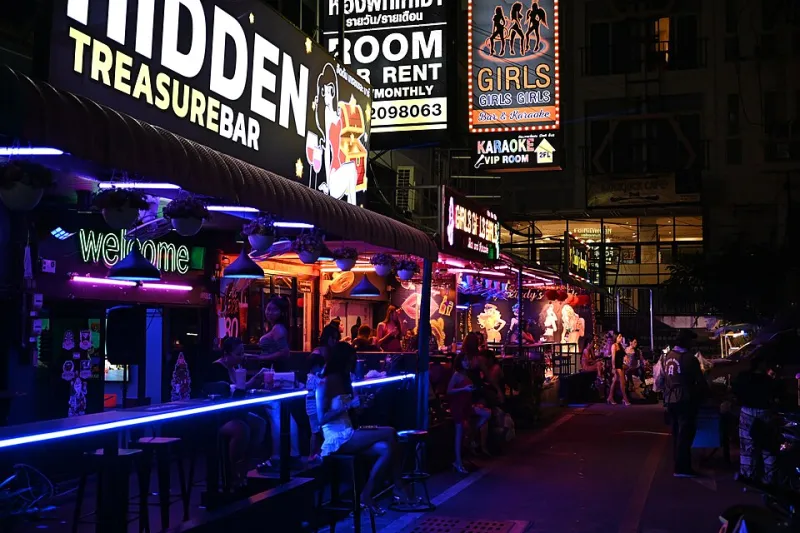
Photo: PattayaPatrol, CC BY-SA 4.0, via Wikimedia Commons
Every karaoke bar has a constitution. Nobody wrote it down, but everybody knows it. And in Asian-American karaoke spots from Los Angeles to Flushing, one chapter of that constitution is entirely devoted to ABBA.
The Sacred and the Forbidden
Ask around long enough and a pattern emerges. "Dancing Queen" is a communal event — you do not grab it for a solo performance unless the room is already yours. "Mamma Mia" is the icebreaker, safe for birthdays, first dates, and coworkers pretending they don't have work tomorrow. But "The Winner Takes It All"? That one's sacred.
"If somebody picks that song, you let them have the room," says a longtime host at a Koreatown lounge in LA's Wilshire corridor. "Nobody sings along. Nobody films. You just listen. It's the song people pick when they actually have something to get off their chest."
Meanwhile, there are unofficial acts of sacrilege. Rushing "Fernando." Skipping the key change in "The Winner Takes It All." Attempting "Dancing Queen" before the room has properly warmed up. Veterans will tell you: timing is everything.
Why ABBA Works at 2 A.M.
There's a reason Swedish pop from the 1970s survives in rooms full of people raised on everything from trot and bolero to hip-hop. ABBA's catalog sits in a sweet spot — universally known, emotionally enormous, and linguistically accessible in a way that makes it the rare song everyone can share regardless of what language they grew up in.
Bartenders notice the shift. "Around 1:30, 2 a.m., the vibe changes," one Chinatown bar manager told us. "People stop performing and start feeling. That's when the ABBA requests come in. That's when it gets real."
The Last Call Rule
Then there's the institution that never fails: "The Winner Takes It All" at last call. It sounds like a joke until you watch it happen. The lights come up, the staff starts stacking glasses, and someone — it's always someone — punches in the code.
"It's the perfect ending," says a regular at a Little Saigon spot in Orange County. "It's devastating and everybody's singing and nobody wants to leave. It's like the song was written for the exact moment a bar closes."
The hosts we spoke to don't fight it. Some schedule around it. One told us she keeps the remote close at 1:45 a.m. "because it's coming either way."
A Code Worth Keeping
Skeptics might call it superstition. But karaoke has always been about more than singing — it's a social contract. And in Asian-American nightlife, where rooms are rented, songs are queued with respect, and the mic is a privilege, the ABBA rules are just one more way a community has turned a Swedish band's back catalog into something entirely its own.
So the next time you're in a room with a touch screen, a bucket of ice, and a table of strangers becoming friends — respect the code. Wait your turn. Save "Dancing Queen" for when the room is ready.
And if it's 2 a.m. and the opening piano of "The Winner Takes It All" starts playing? Just sing. Everybody else will.